Rep. Riley Moore Warns AI Could Be a 'Nuclear Bomb' for Blue-Collar Jobs
Rep. Riley Moore, a Republican from West Virginia and former welder, has raised concerns about the impact of artificial intelligence (AI) on blue-collar jobs. In a recent interview, he described AI as a potential "nuclear bomb" for the workforce, suggesting that while it holds the promise of making jobs safer and more productive, it also poses significant risks of job displacement.
Moore's background in welding and his connection to the blue-collar community inform his perspective on the rapid integration of AI into the workplace. He argues that AI could serve as a "force-multiplier" for workers, enhancing their capabilities rather than replacing them. This message has resonated with labor stakeholders, including the Teamsters, as Congress and businesses navigate the implications of AI on employment and economic security.
"AI represents a massive potential for positive advancements in manufacturing," Moore stated, while also cautioning that it could fundamentally alter the nature of work. He believes that if AI can complement human labor, it could lead to a more prosperous economy, extending the longevity of workers in their trades and improving job safety.
Moore expressed optimism about AI's potential to create efficiencies that could lead to better-paying jobs. He emphasized that technology should be leveraged to enhance worker safety and productivity, rather than replace the dignity of work that is essential to human identity. He pointed out that AI could help workers avoid injuries and extend their careers, thus benefiting both individuals and the economy as a whole.
The Challenges of AI Integration
However, he also acknowledged the darker side of AI's rise, warning that it could potentially eliminate jobs and disrupt communities. This duality of AI's impact is particularly relevant in Moore's district, which is characterized by its strong ties to mining and manufacturing. He has actively engaged with labor unions to discuss these challenges and the need for a thoughtful approach to AI integration.
Moore's concerns extend to the trucking industry, where he advocates for using AI to assist drivers rather than replace them. He believes that AI can act as a "co-pilot" to improve safety on the roads, allowing human drivers to remain employed while benefiting from enhanced technology. This approach respects the dignity of workers while also addressing safety concerns in an industry that has historically been unionized.
What Comes Next
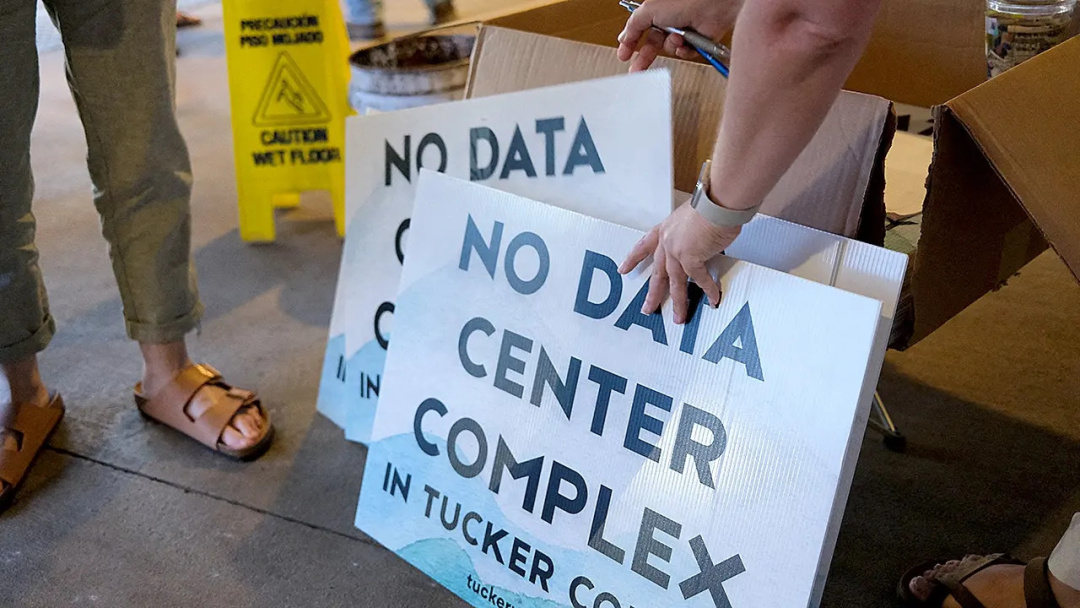
As debates around AI continue, Moore has highlighted the importance of community input regarding the establishment of data centers in his district. He has raised questions about the environmental impact of these centers and their reliance on local resources, emphasizing the need for local communities to have a say in such developments.
In conclusion, Rep. Riley Moore's perspective on AI's role in the workforce reflects a broader conversation about the future of work in an increasingly automated world. His advocacy for a balanced approach to AI integration underscores the importance of protecting blue-collar jobs while embracing the potential benefits of technological advancements. As the discussion evolves, the challenge will be to harness AI's capabilities while ensuring that it serves to uplift rather than undermine the human workforce.