China's Robotics Strategy: Aiming for Global Leadership in AI
China is targeting the next industrial revolution by doubling down on embodied AI and humanoid robotics, leveraging its vast manufacturing infrastructure. Recent years have seen Chinese robots gain global attention, appearing in various public roles, from entertainment to service industries. These developments not only normalize automation in daily life but also serve to project China's soft power internationally.
Behind this spectacle lies a strategic agenda for economic dominance. In its competition with the United States, China views robotics as essential for projecting power and influencing global supply chains. This ambition is fueled by domestic challenges, including an aging population and a shrinking workforce, exacerbated by the legacy of the one-child policy and rapid urbanization. The Chinese government is implementing targeted initiatives like the K-Visa to attract talent, aiming to lead in industrial technology while addressing workforce gaps through a surge in robotics.
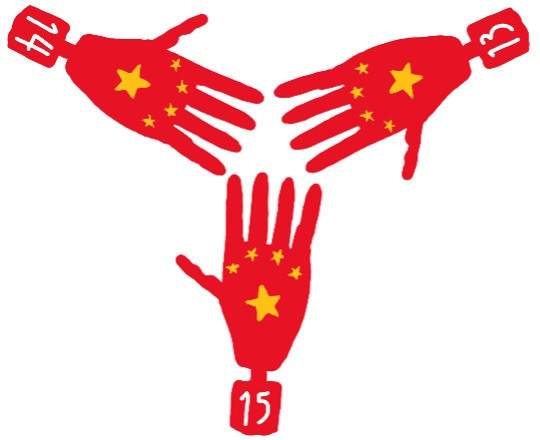
The Chinese Communist Party's centralized authority allows for the alignment of state enterprises, private capital, and supply chains towards common objectives, facilitating significant technological advancements. Since the 1950s, China has produced Five-Year Plans (FYPs) that outline major economic objectives, with the latest plans focusing on enhancing the country's manufacturing base and advancing robotics.
The 13th FYP (2016-2020) laid the groundwork for China's robotics rise, operationalizing the Made in China 2025 initiative, which aims to transition the country from a low-cost manufacturing hub to a high-tech leader. Unlike many nations that outsourced production, China capitalized on its manufacturing capabilities to invest heavily in integrated supply chains. The MIC2025 initiative aimed to elevate China's position in the global value chain, particularly in robotics, supported by substantial government subsidies.
Despite international criticism and sanctions regarding these subsidies, they have intensified China's efforts towards establishing a self-sufficient tech sector. Although the branding of Made in China 2025 has been retired, its core objectives continue through focused plans in the 14th FYP (2021-2025). The Ministry of Industry and Information Technology (MIIT) has introduced initiatives to support domestic robotics research and development, aiming to replace foreign suppliers and stimulate demand across key sectors.
China's Ambitious Robotics Goals for 2025
By 2025, China aims to achieve significant milestones, including increasing market share in industrial robots and establishing itself as a leader in the global robotics market. The 14th FYP emphasizes the dual approach of enhancing supply chains while stimulating demand for robotics across agriculture, logistics, and health sectors. This strategy has led to impressive growth in domestic installations of industrial robots, positioning China as a major player in the global market.
Despite these advancements, challenges remain in achieving self-sufficiency in high-precision components and semiconductor manufacturing, which are critical for robotics. The upcoming 15th FYP (2026-2030) aims to address these gaps by prioritizing the development of embodied AI and humanoid robotics, signaling a shift towards practical applications of AI across various sectors, including defense.
The Practical Implications
China's focus on humanoid robotics aligns with its strategy to leverage data aggregation and enhance interaction with human environments. The government is investing heavily in humanoid robotics, with significant support from tech giants, aiming for mass deployment in various applications. This initiative is expected to drive economic growth and modernize national defense capabilities, positioning China at the forefront of the next industrial revolution.
However, the aggressive push for humanoid robots comes with risks, including market overcapacity and the potential for speculative investments that may not align with actual demand. As China navigates these challenges, the outcomes of its robotics strategy will have significant implications for the global robotics industry and the future of AI in military applications.