Indonesia Leverages Foreign Worker Data to Shape Skills Policy
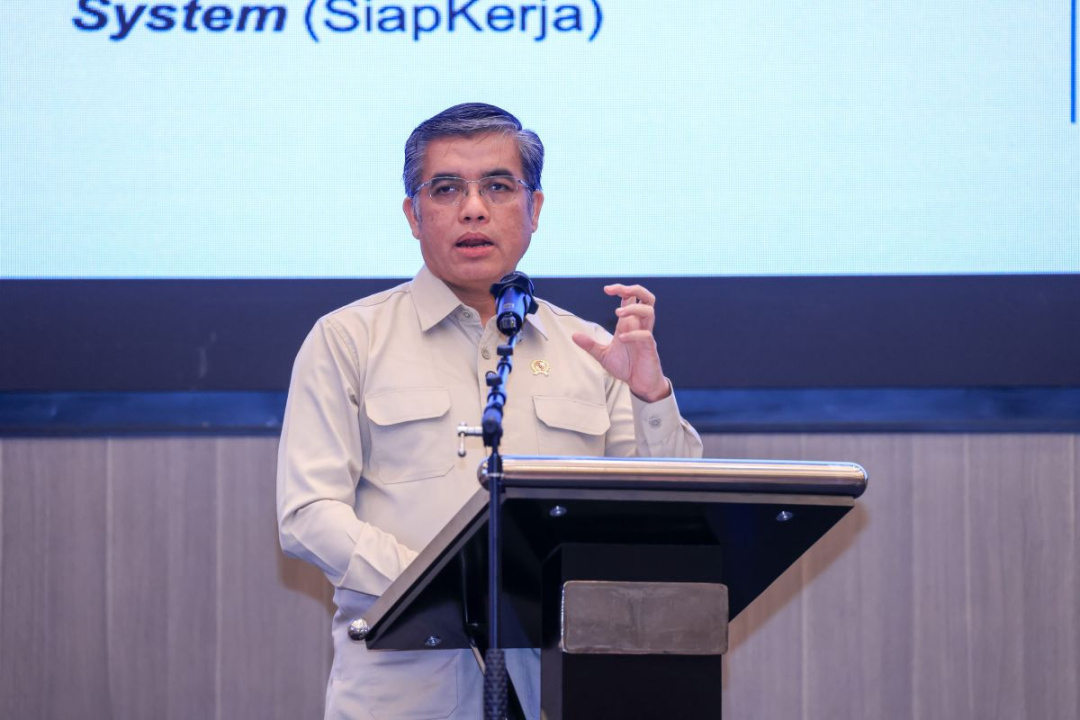
Indonesia is taking significant steps to enhance its labor market by utilizing data on foreign workers to inform its skills policy. Manpower Minister Yassierli stated that this data will assist in identifying the skills and roles that are most in demand within various business and industrial sectors. By analyzing the types of positions foreign workers are filling, such as process engineers, the government aims to better understand labor market needs and prepare Indonesian workers accordingly.
During a recent address in Jakarta, Yassierli emphasized the importance of this data in assessing which job roles are predominantly occupied by foreign workers. This insight allows for strategic planning in workforce development, ensuring that domestic workers are equipped with the skills required by employers. "With prominent data, we can learn which roles foreign workers are predominantly filling," he noted, highlighting the need for personnel in specific fields.
The minister further elaborated on the potential of this data to identify not only current labor demands but also future critical skills and occupations. He mentioned that educational institutions could utilize this information to align their competency programs with the actual needs of the labor market. This alignment is crucial for preparing students and job seekers for the evolving job landscape.
Yassierli also indicated plans to develop a critical occupation list that will outline essential roles for the future. This proactive approach is expected to guide educational institutions in curriculum development, ensuring that the workforce is ready to meet upcoming challenges.
Enhancing Workforce Skills Through Foreign Worker Insights
In addition to focusing on current demands, the minister stressed the importance of validating the employment of foreign workers beyond mere administrative processes. This includes a thorough assessment of job roles, qualifications, and the transfer of skills and technology to enhance the capacity of the Indonesian workforce.
Coordination between central and regional governments is vital in this endeavor. Accurate data on foreign workers will complement the national labor-demand picture, supporting evidence-based manpower policies. Yassierli's initiative reflects a broader commitment to improving the skills of the domestic workforce while addressing the challenges posed by globalization and technological advancements.
What Comes Next
As Indonesia navigates the complexities of its labor market, the integration of foreign worker data into policy-making represents a significant advancement. By focusing on the skills that are in demand, the government aims to create a more responsive and capable workforce. This initiative not only benefits employers looking for qualified personnel but also empowers local workers by providing them with the necessary training and education to thrive in their careers.
Looking ahead, the Indonesian government’s strategy to leverage foreign worker data is poised to have lasting implications for the nation’s workforce development. By establishing a clear link between education and industry needs, Indonesia can ensure that its labor market remains competitive in the face of rapid technological changes. This approach not only prepares the current workforce but also sets the stage for future generations to succeed in an increasingly complex job environment.