AI Safety Movement's Impact on Military Applications and Transparency
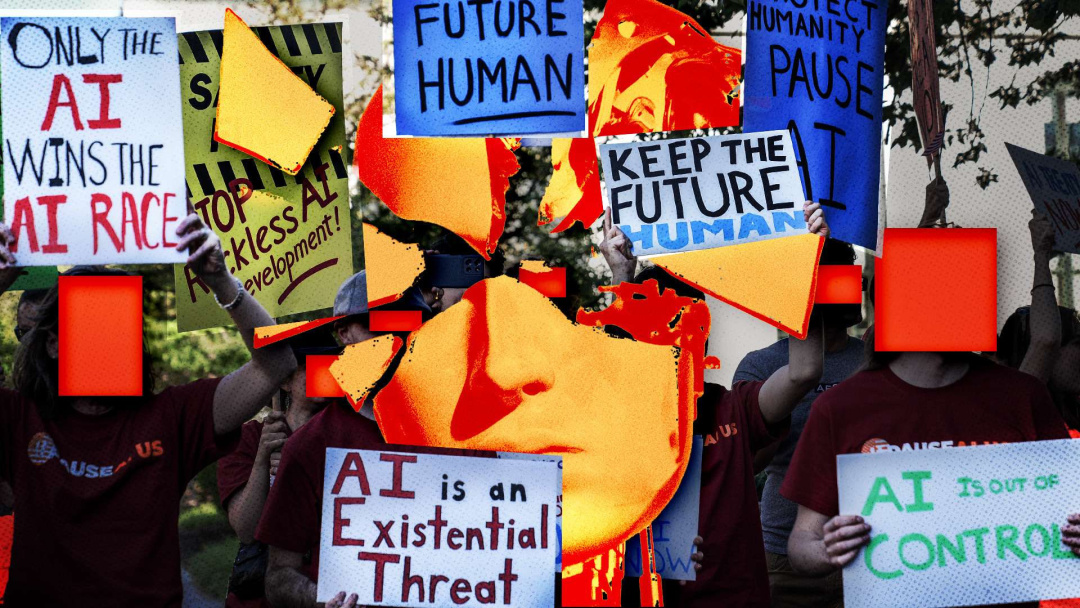
The AI safety movement has sparked intense discussions, particularly within the AI industry itself, about the potential risks associated with advanced technologies. Recent events, including the resignation of Anthropic employee Jacob Coxon, who expressed concerns that their product could pose an existential threat to humanity, highlight the urgency of these discussions. Evan Hubinger, another key figure at Anthropic, has publicly stated that there is a 10 percent chance that their AI could lead to human extinction within the next decade. Such sentiments are echoed by employees at other leading AI firms like OpenAI, indicating a growing unease within the sector.
This anxiety is not merely anecdotal; it reflects a broader philosophical divide among AI researchers and advocates, particularly those who subscribe to the notion of "artificial superintelligence". Philosopher Émile Torres describes the conflict between AI developers and those who predict catastrophic outcomes as a "narcissism of small differences." Both factions share a common vision of the future, underpinned by a set of philosophical assumptions known as TESCREAL, which stands for Technology, Effective Altruism, Safety, Control, Research, Ethics, and Alignment.
The push for AI safety, however, has led to counterproductive outcomes. In an effort to mitigate perceived risks, regulators and industry leaders are advocating for a monopolistic approach to AI development, which could stifle innovation and deprive the public of critical insights into AI capabilities. The call for stringent regulations often results in a concentration of power within a few organizations, which may hinder transparency and accountability. This trend raises significant concerns, particularly in military contexts where AI technologies are increasingly utilized.
A key component of the TESCREAL framework is the idea of effective altruism, which has gained traction among AI researchers. Influential figures in companies like Anthropic and OpenAI have been significantly impacted by this ideology, which posits that aligning AI with human values is paramount. Yet, the scenarios proposed by effective altruists, such as a future where AI systems are consolidated under government control, raise ethical questions about the implications of such power dynamics.
Critics argue that the consolidation of AI research under governmental oversight could lead to a dystopian reality where a single AI entity governs critical systems. This perspective is notably at odds with libertarian principles, which emphasize decentralized power and individual freedoms. Science fiction author Ramez Naam advocates for democratized access to AI technologies, suggesting that widespread availability could enhance security rather than diminish it.
AI Integration and Emerging Risks in Defense
As the U.S. military increasingly integrates AI into its operations, the implications of the safety movement become even more pronounced. The Department of Defense has awarded contracts to leading AI firms to accelerate the adoption of advanced capabilities, raising alarms about the potential for misuse. Incidents during recent military engagements, where AI systems contributed to tragic outcomes, underscore the dangers of relying on opaque technologies without a comprehensive understanding of their functioning.
The current trajectory of the AI safety movement suggests a troubling paradox: the very measures intended to safeguard humanity may inadvertently lead to greater risks. As AI companies advocate for regulatory frameworks that limit competition, they may be inadvertently creating an environment where knowledge is hoarded rather than shared. This could ultimately undermine efforts to mitigate AI-related threats.
Navigating the Tension Between Safety and Transparency
The ongoing discourse surrounding AI safety highlights the necessity for a balanced approach that prioritizes both transparency and accountability. As HuggingFace CEO Clément Delangue noted, the best defense against AI-driven threats is not to restrict access but to promote open models that enhance collective security. The recent AI cyberattacks serve as a reminder that knowledge diffusion is essential for developing effective countermeasures against potential vulnerabilities.
In conclusion, the AI safety movement's current trajectory raises critical questions about the future of military applications and the ethical implications of AI development. As the industry grapples with fears of superintelligence and the consolidation of power, it is imperative to foster an environment that encourages open research and collaboration. Only through transparency can we hope to navigate the complex landscape of AI technologies and their potential impact on society.