Understanding Call Intelligence Software's Role in CRM Integration
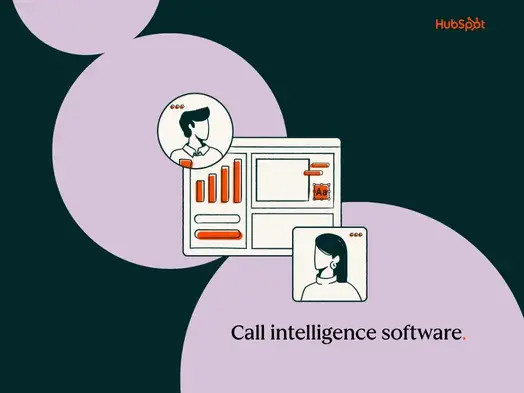
Call intelligence software is revolutionizing the way sales teams interact with customers by providing tools that record, transcribe, and analyze conversations. According to HubSpot’s 2026 Sales Trends Report, 79% of sales professionals believe that AI significantly aids in extracting actionable insights from these interactions. However, many teams still struggle with losing vital context due to scattered notes and secondhand summaries.
This software captures audio from various sources, including sales dialers and VoIP systems, and converts it into searchable transcripts and summaries. The insights gained can be instrumental in coaching sales representatives, assessing deal risks, and improving follow-up processes. By turning conversations into structured data, teams can identify recurring customer issues and track important metrics that inform their strategies.
Call intelligence software, often referred to as conversation intelligence software, focuses primarily on recorded calls, while broader conversation analytics can encompass video meetings and emails. This distinction is crucial for teams looking to integrate these insights into their existing CRM systems, ensuring that call context is preserved alongside customer histories.
The process typically involves several steps: recording the call, transcribing the audio using advanced speech-to-text technology, and analyzing the transcript for key terms and sentiment. This allows sales leaders to track specific topics, objections, and competitor mentions, facilitating a deeper understanding of customer interactions. The software can also condense conversations into summaries that highlight customer needs and commitments, streamlining the follow-up process.
Integration with CRM systems is a vital feature of call intelligence software. When properly connected, the insights generated from calls can be attached to relevant customer records, enhancing the overall workflow and ensuring that critical information is not lost. This integration allows teams to automate follow-up tasks based on commitments made during calls, thus improving efficiency and accountability.
As organizations evaluate call intelligence solutions, they should consider factors such as transcription accuracy, speaker identification, and the ability to integrate seamlessly with existing systems. The right software can empower teams to transform recorded conversations into actionable insights, driving better performance and fostering continuous improvement.
Evaluating the Right Call Intelligence Software
When selecting call intelligence software, organizations should conduct thorough evaluations to ensure that the chosen platform meets their specific needs. This includes testing the software with real calls to assess its capabilities in handling various accents, terminologies, and conversation dynamics. Additionally, teams must consider compliance with legal and privacy regulations, especially when handling sensitive customer information.
Involving legal and compliance stakeholders early in the procurement process is essential to navigate the complexities of consent and data protection. Organizations must ensure that the software can manage consent workflows, access controls, and data retention policies effectively. By doing so, they can mitigate risks while leveraging the powerful analytics that call intelligence software offers.
What Comes Next
As call intelligence software continues to evolve, its integration within CRM systems will likely become even more sophisticated, enabling sales and service teams to harness the full potential of their customer interactions. The insights gained from these tools will not only enhance individual performance but also contribute to a more data-driven approach to sales strategies. As AI technology advances, organizations that adopt these tools will be better positioned to respond to customer needs and stay competitive in an increasingly challenging marketplace.