Luhut Advocates for Enhanced Cybersecurity Talent Amid AI Threats

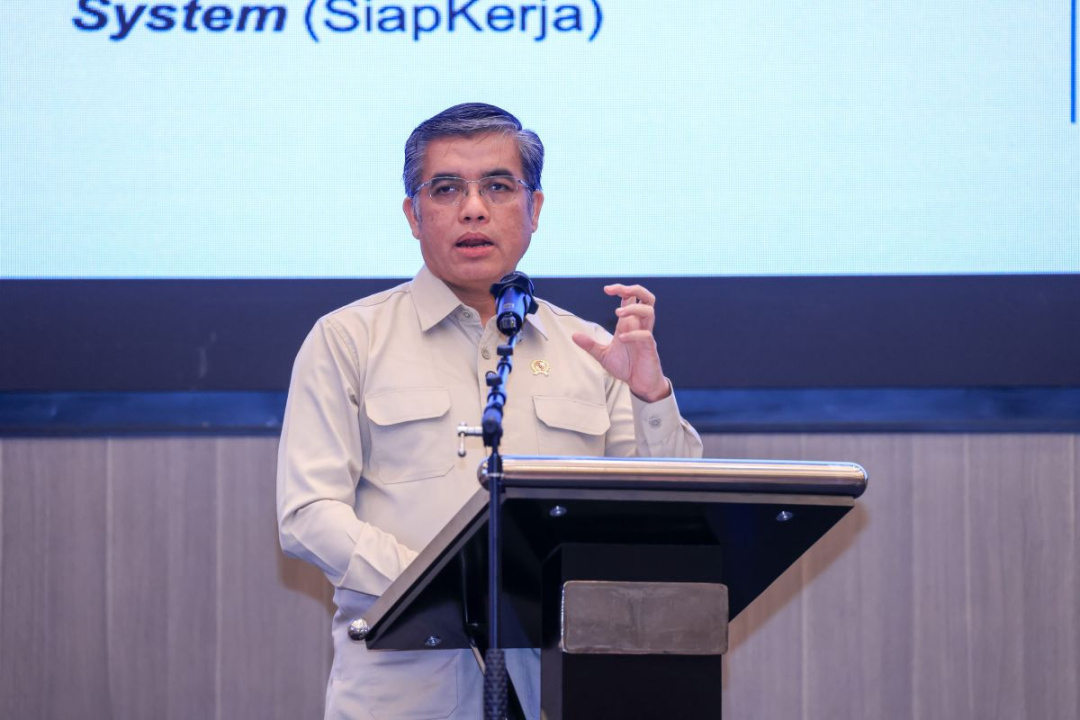
Luhut Binsar Pandjaitan, the Chairman of the National Economic Council (DEN), has underscored the critical need for Indonesia to bolster its cybersecurity talent in light of increasing digital threats linked to the rapid evolution of artificial intelligence (AI). Speaking in Jakarta, Luhut stated, "Cybersecurity threats are escalating, while artificial intelligence technology continues to evolve rapidly. We need to focus on developing human resources with cybersecurity capabilities." This statement reflects a growing concern over the implications of AI on national security and the protection of citizens.
The urgency for enhanced cybersecurity skills is supported by alarming statistics from the National Cyber and Encryption Agency (BSSN), which reported that Indonesia experienced 1.52 billion cyberattacks between January 1 and April 15, 2026. This figure is a stark reminder of the rising tide of cyber threats, especially when compared to the 5.5 billion attacks recorded in 2025, marking a staggering 714% increase from the annual average of the previous five years.
In response to these challenges, Luhut advocates for a dual approach: developing cybersecurity skills in conjunction with mastering AI technologies. He believes that this strategy is essential for equipping the younger generation to navigate the complexities of emerging technological trends. To further this goal, Luhut highlighted the importance of hosting skills competitions as a means to nurture and strengthen Indonesia's cybersecurity workforce.
Showcasing Cybersecurity Initiatives in Action
A recent event exemplifying this initiative was the Hacktrace Independence Day Competition (HIDC) 2026, held in Balige, North Sumatra, where IT Del, the institution founded by Luhut, collaborated with Spentera Group to host the final round of the cybersecurity contest. During this event, both institutions formalized their partnership by signing an agreement focused on research, innovation, and internship programs aimed at aligning higher education with the needs of the cybersecurity sector.
Why It Matters
Royke Lumban Tobing, Co-Founder and Owner of Spentera Group, echoed Luhut's sentiments, stressing the necessity for more ethical cybersecurity experts. He noted, "We need far more ethical cybersecurity experts. The gap between demand and available talent remains far too wide." This statement highlights a critical aspect of the cybersecurity landscape: the importance of not just technical skills but also a strong ethical foundation in the face of rising cyber threats.
In conclusion, Luhut's call to action serves as a vital reminder of the need for Indonesia to prioritize the development of cybersecurity talent as a fundamental component of its national security strategy. As AI technology continues to advance, the nation must ensure that its workforce is equipped to handle the challenges that lie ahead, safeguarding both citizens and national sovereignty.