AI Visibility Insights from 9 Million Prompts and 400 Brands
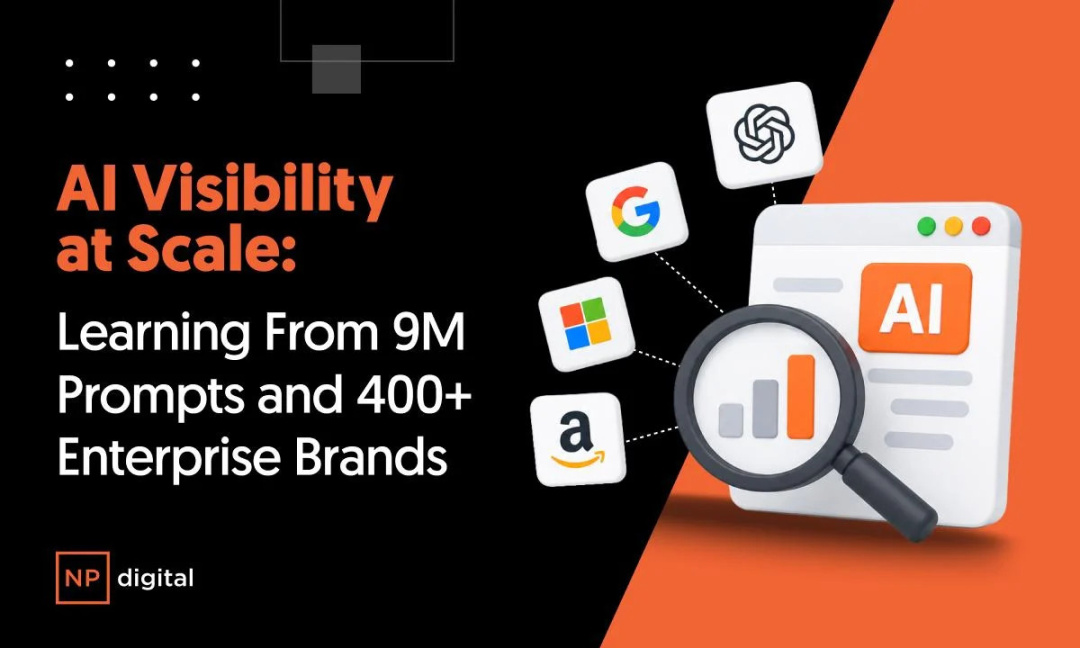
At brightonSEO 2026, Nikki Lam presented groundbreaking research on AI search visibility, drawing from a dataset of 9 million AI-generated answers across nine platforms and over 400 enterprise brands. This research challenges many prevailing assumptions among marketers regarding AI visibility, revealing that much of what is believed has not been substantiated by real data.
One significant finding is that sentiment and online reputation do not drive AI citations as many brands assume. In fact, the data indicates a negative correlation between sentiment and citation frequency across major platforms like ChatGPT, AI Mode, and others. This suggests that AI models prioritize how frequently and deeply a brand is discussed rather than how positively it is perceived. Controversial brands often generate more citations simply due to the volume of discussion they attract, overshadowing the importance of positive sentiment in driving visibility.
Another common misconception is that the format of content significantly influences AI citations. Contrary to the belief that listicles and structured formats yield better results, 64% of AI citations actually come from regular pages. The AI models tend to select passages that best answer user queries, regardless of the content's format. Therefore, brands should focus on enhancing the depth and specificity of their regular content rather than adhering strictly to popular formatting trends.
Furthermore, the research highlights that brands often overestimate the impact of their own product and pricing pages on commercial-intent prompts. In reality, 82% of citations for such queries go to third-party sources, with owned pages accounting for a mere 3%. This indicates that AI models favor external validation over direct information from sellers, underscoring the necessity for brands to invest in digital PR strategies that target commercial-intent topics.
Leveraging YouTube for Enhanced Visibility
A surprising revelation from the study is the role of YouTube as a powerful channel for AI visibility. While many brands view YouTube primarily as a platform for brand content, the research shows that it delivers a significant lift in visibility, outperforming other channels like LinkedIn and Reddit. This suggests that brands should develop a YouTube SEO roadmap that includes comprehensive video transcripts and strategic content planning to maximize their AI visibility.
The Practical Implications
The data also reveals that owned content, while less frequently cited, can dramatically enhance a brand's visibility rate when it does get referenced. Brands that maintain a consistent investment in their own content can experience a visibility increase of up to five times when their pages are cited by AI models. However, it is crucial to recognize that many citations are short-lived, with up to 58% disappearing after their initial appearance. Therefore, brands should monitor their citation performance over time and focus on sustaining their content's relevance.
In conclusion, the research presented by Nikki Lam emphasizes the importance of understanding the underlying dynamics of AI visibility. Brands must prioritize building comprehensive, authoritative content and fostering third-party mentions to enhance their visibility across AI platforms. As the landscape continues to evolve, adapting to these insights will be crucial for brands aiming to establish themselves as trusted authorities in the digital space.