Mirelo AI Revolutionizes Sound Design in Development Environments
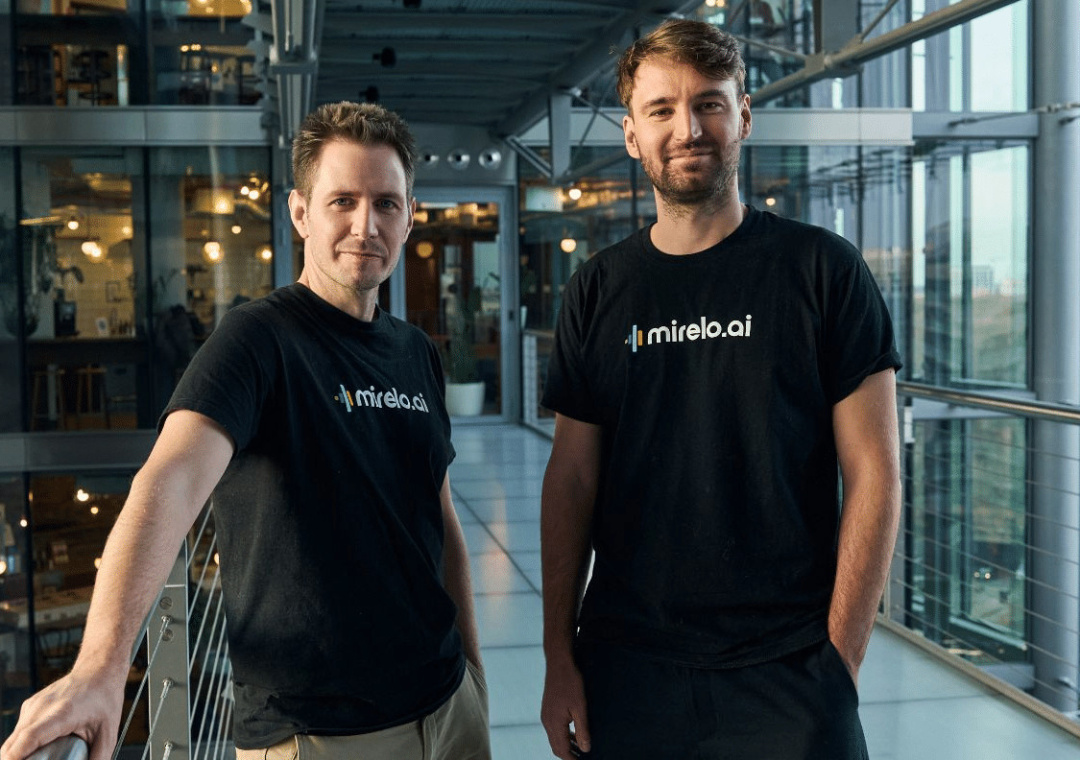
Mirelo AI has set out to revolutionize sound design within integrated development environments (IDEs). Traditionally, developers have had to leave their IDEs to manage sound design, often resorting to web browsers to search through stock libraries, manually syncing audio clips with their projects. This process can be cumbersome and often leads to subpar audio quality, as sound design is typically the last creative layer developers address. Mirelo AI aims to change this by providing a seamless solution that integrates sound design directly into the development workflow.
The company, based in Europe, specializes in generative AI models that can produce production-ready sound effects from text prompts or video clips. By leveraging their hosted Model Context Protocol (MCP) server, Mirelo allows developers to generate audio that is automatically synchronized with video content when applicable. This integration means that developers can now create sound effects without disrupting their workflow, making sound design an integral part of the development process.
In this article, we explore how Mirelo's MCP server has been integrated into the Kiro development environment, a platform provided by AWS. The collaboration between Mirelo and AWS Enterprise Support has facilitated the introduction of this innovative sound design capability into the Kiro powers marketplace. As a result, developers using Kiro can now generate sound effects from natural language prompts directly within their IDEs, significantly enhancing their productivity.
With the introduction of the Kiro power, developers gain access to Mirelo's hosted MCP server, which is bundled with Agent Skills. These skills guide the AI assistant in determining when and how to utilize the sound design tools. When a developer mentions sound, audio, or effects in their prompt, Kiro activates the power, connects to Mirelo's server, and retrieves the necessary tools. This allows developers to describe the sound they envision, and Kiro will execute the request, returning a finished audio file ready for use in their project.
Historically, audio design has lagged behind visual content creation in terms of integrated tools within IDEs. While game developers can easily generate textures and test physics within their environments, the moment they require sound effects, they face a significant workflow interruption. This disconnect has often resulted in developers shipping products with placeholder audio or no sound at all. Mirelo's approach addresses this gap by embedding sound generation capabilities directly into the tools developers already use.
Unlocking AI's Untapped Potential in Sound Design
The implementation of Mirelo's MCP server allows for a streamlined audio generation process. Developers can initiate sound design tasks with simple prompts, such as generating specific sound effects that match on-screen actions. This not only saves time but also enhances the overall quality of the final product. The transition from a manual, labor-intensive process to an automated, AI-driven solution marks a significant advancement in the field of sound design.
Mirelo's innovation highlights the enormous potential of AI in sound design, an area that remains underexplored in the tech industry. As more developers recognize the value of integrated sound design tools, we can expect to see a shift in how audio is approached in the development process. By making sound generation a natural extension of the development workflow, Mirelo is paving the way for a new era of creativity in software development.
The Practical Implications
The Kiro powers marketplace represents a new distribution model for API businesses like Mirelo. Historically, developers have accessed sound APIs through extensive documentation and integration efforts. However, with the Kiro power, sound design capabilities are now accessible at the moment of need, seamlessly integrated into the developer's environment. This shift not only simplifies access but also aligns with the immediate demands of developers, further enhancing the relevance of sound design in their projects.
As we look ahead, the integration of Mirelo's sound design capabilities into Kiro serves as a reminder of the untapped market potential within AI sound design. With advancements in generative AI and the increasing demand for high-quality audio in digital products, the future of sound design is poised for significant growth and innovation.