The Rise of Multiple Job Interviews: Implications for Applicants

The process of applying for jobs, particularly those that involve significant responsibility or competitive salaries, has become increasingly demanding. Many applicants for managerial or technical positions now find themselves subjected to numerous rounds of tests, assessments, and interviews. These evaluations are designed not only to gauge qualifications and job-related skills but also to assess candidates' attitudes and cultural fit before extending a job offer.
Despite excelling through various tests and interviews, candidates often discover that organizations may still choose to pursue other directions. This trend of multiple assessment rounds appears to be on the rise, raising questions about the decision-making processes within hiring firms.
One contributing factor to the prolonged hiring timelines is the perception among employers that full-time employees are liabilities rather than assets. New hires represent known costs with uncertain benefits, leading many organizations to hesitate in their hiring decisions. While mission statements may tout employees as invaluable assets, the reality is that many managers would prefer to operate without them if feasible.
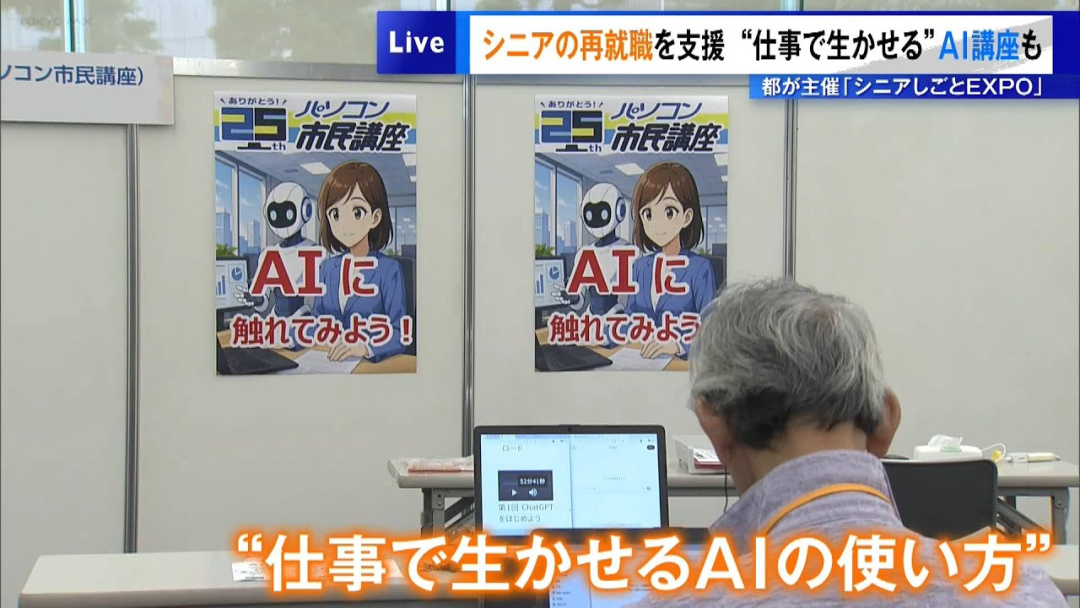
The allure of artificial intelligence (AI) as a potential replacement for human employees adds another layer to this discussion. Although some organizations have turned to AI to fulfill critical functions, this approach has not always yielded positive results. For instance, legal professionals who rely on AI to draft briefs have encountered issues with accuracy, as AI can produce erroneous citations and references. While the prospect of replacing employees with AI may seem appealing, it is not a reliable solution at this stage.
Employers sometimes utilize internships or part-time roles as a means for candidates to "audition" for their prospective positions. However, this practice can be viewed cynically as a way to exploit labor without providing adequate compensation or benefits. Regardless of intent, the trend of requiring extensive evaluations from applicants reflects a conservative bias prevalent in many organizations' hiring processes.
This conservative bias is often exacerbated by a culture of buck-passing, where individuals involved in hiring feel pressured to request additional assessments to avoid accountability for poor hiring choices. The fear of hiring mistakes can lead to an overabundance of caution, resulting in drawn-out processes that may deter top talent.
Consequences of Fear in Hiring Decisions
The outcomes of hiring decisions typically fall into one of three categories: a satisfactory performance, an exceptional hire, or a failure. While successful hires can be beneficial, the fear of failure often looms larger in the minds of hiring managers, prompting them to seek more information before making a final decision.
Employers justifying multiple interview rounds as a risk mitigation strategy often overlook the potential downsides of such rigorous screening processes. Lengthy and complicated hiring procedures can alienate applicants, particularly the most qualified ones, who may choose to seek opportunities elsewhere rather than endure a protracted selection process.
The costs of alienating prospective employees can be significant. Companies that impose excessive interview rounds might find that they could achieve similar outcomes with fewer assessments. Research indicates that the value of information gained from successive interview rounds diminishes over time, suggesting that initial evaluations may provide the most useful insights.
The Impact of Hiring Practices on Talent Acquisition
As organizations navigate the complexities of hiring, it is crucial for managers to weigh the benefits and drawbacks of extensive assessment processes. If candidates' first experiences with a company involve an exhausting series of interviews, their initial impressions may be negative, potentially impacting long-term employee satisfaction and commitment.
In conclusion, while the desire for thorough evaluations is understandable, hiring managers should consider the implications of their processes on candidate experience. Striking a balance between comprehensive assessments and respecting candidates' time and effort is essential for attracting and retaining top talent. Companies that adopt more streamlined hiring practices may find themselves better positioned to secure the best candidates in a competitive job market.