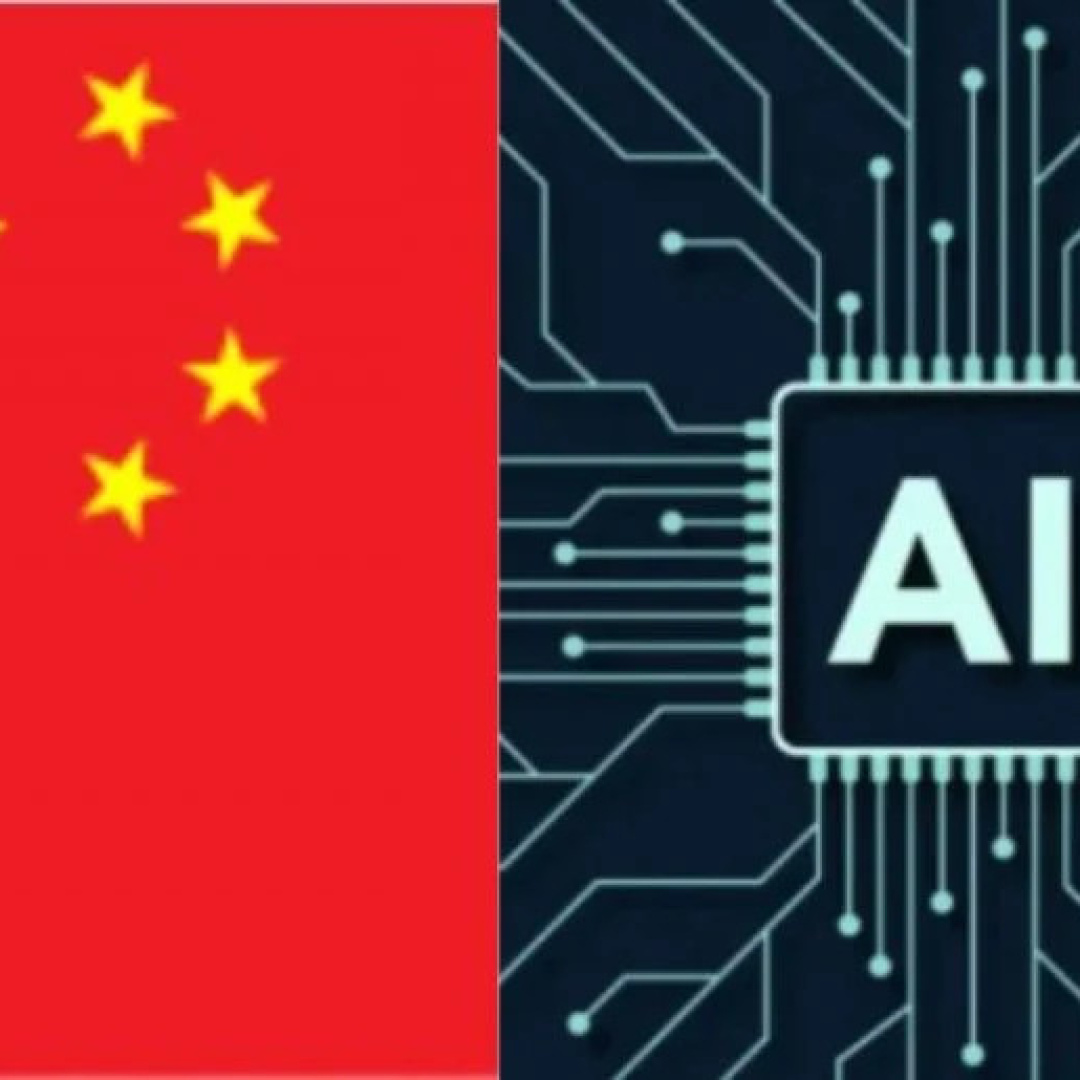
Chinese AI Labs Narrow Gap with U.S. Leaders OpenAI and Anthropic

Chinese AI laboratories have made remarkable strides in recent years, positioning themselves as formidable competitors to U.S. AI giants such as OpenAI and Anthropic. According to a report from Bloomberg Markets, this evolution underscores a significant narrowing of the gap in AI capabilities between China and the United States. Evaluations indicate that AI models developed in China are increasingly approaching parity with their American counterparts, particularly in the domain of open-weight AI models, which tend to be more cost-effective and accessible.
This shift in the AI landscape suggests that Chinese firms, including emerging players like Moonshot, Z.ai, and established companies like Alibaba, are actively challenging the dominance of their U.S. rivals. The competitive pressure is palpable, as recent adjustments in prediction markets indicate a potential decline in confidence regarding Anthropic's ability to maintain its lead in AI model superiority by the end of November 2026. Current market pricing reflects a significant shift in expectations, highlighting the impact of Chinese advancements on global AI leadership.
Market observers are keenly monitoring the performance of Chinese AI models on international leaderboards and benchmarks, as these metrics could further shape perceptions of AI leadership. Key developments from companies such as Anthropic and OpenAI, alongside their Chinese counterparts, are likely to influence market expectations. Stakeholder actions, including new model releases or strategic partnerships, will provide additional insights into which organizations are poised to lead the AI frontier.
The implications of these advancements extend beyond mere competition; they could reshape global AI leadership dynamics and alter market confidence. As the landscape evolves, the interplay between U.S. and Chinese AI developments will be crucial in determining the future trajectory of AI technology and its applications.
The Competitive Landscape of AI
As the AI sector witnesses these shifts, the response from U.S. companies will be critical. The ability to innovate and adapt in the face of rising competition from Chinese labs may dictate the future of AI development. Companies must not only focus on technological advancements but also on strategic positioning within a rapidly changing market. The ongoing evolution of AI capabilities will require U.S. firms to reassess their strategies and possibly collaborate or compete more aggressively in the global arena.
What Comes Next
Looking ahead, the developments in Chinese AI technology will likely continue to influence global market dynamics. As these advancements unfold, they will prompt further scrutiny and analysis from industry experts and market participants alike. The potential for increased competition may drive innovation, but it also raises questions about regulatory frameworks, ethical considerations, and the overall impact on the global economy. Stakeholders will need to navigate these complexities as they seek to understand the implications of a more competitive AI landscape.