Understanding the Distinctions Between AI Job Roles in 2026
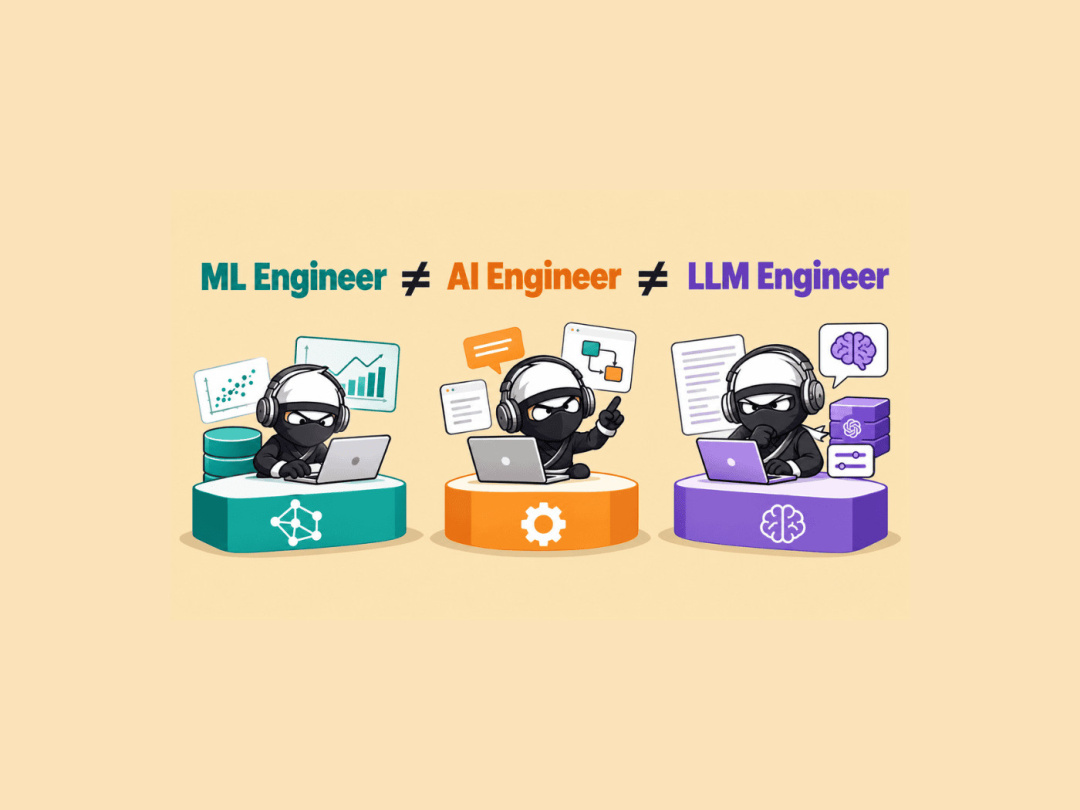
In the rapidly evolving landscape of artificial intelligence, job titles can often be misleading. A recent analysis highlights the confusion surrounding roles such as Machine Learning Engineer (ML Engineer), AI Engineer, and LLM Engineer. Despite similar job postings, the responsibilities associated with these titles can vary significantly, which is crucial for job seekers to understand.
When searching for AI-related positions, one might find postings for AI Engineer, Applied AI Engineer, or LLM Engineer. While the listed responsibilities may appear nearly identical—often including skills in Python, API usage for language models, and production reliability—the specifics of each role differ considerably. For instance, one job might require experience with LangChain, while another emphasizes fine-tuning with LoRA. This variance can lead to misaligned expectations for candidates who apply based solely on job titles.
Understanding the distinctions between these roles is essential for making informed career decisions. A Machine Learning Engineer primarily focuses on building and training models from data. This role involves collecting and cleaning data, selecting algorithms, training models, and ensuring they operate reliably in production environments. The output typically includes systems like recommendation engines or fraud detection models, with significant time spent on data quality rather than algorithm selection.
On the other hand, an AI Engineer works with pre-existing models, often integrating them into real-world applications. This role requires connecting models to products, such as support tools or internal search features. The AI Engineer's daily tasks include prompt design, monitoring for model performance, and backend development, emphasizing the importance of data pipelines over model training.
The LLM Engineer, a more specialized version of the AI Engineer, focuses on fine-tuning large language models for specific tasks. This role involves adjusting a model's weights using techniques like LoRA or QLoRA to enhance performance on niche applications. However, experienced LLM Engineers often prioritize alternative solutions, such as improved retrieval methods or better prompts, before resorting to fine-tuning.
Navigating Job Title Variations in AI
The job market for AI roles is further complicated by inconsistent naming conventions. The same responsibilities may be labeled differently across companies, leading to discrepancies in salary expectations and job descriptions. For instance, a posting for an AI Engineer may offer a different salary band than one for a GenAI Engineer, despite having nearly identical duties. This inconsistency highlights the need for candidates to scrutinize job postings closely, focusing on the specific tasks they would undertake rather than the title alone.
As companies grow, the responsibilities associated with these roles may become more specialized. In smaller organizations, one individual may encompass all three roles, while larger companies may divide these functions among multiple teams, creating distinct categories such as applied AI product engineers and AI infrastructure engineers. This division can impact career trajectories and the skills required for advancement.
What Comes Next
Given the current state of AI job titles, candidates are advised to carefully review job descriptions to understand what they will build and maintain in the first 90 days. The practical takeaway is to prioritize the actual responsibilities outlined in job postings over the titles themselves, ensuring alignment with career aspirations and expectations.
Nate Rosidi, a data scientist and adjunct professor, emphasizes the importance of understanding these distinctions in the AI job market. By focusing on the specific outputs and responsibilities associated with each role, job seekers can navigate the complexities of AI employment more effectively, preparing for interviews that demand a strong foundation in SQL, data shaping, and problem-solving skills.