Ethical Concerns Surrounding AI in Mathematics Highlighted at Forum
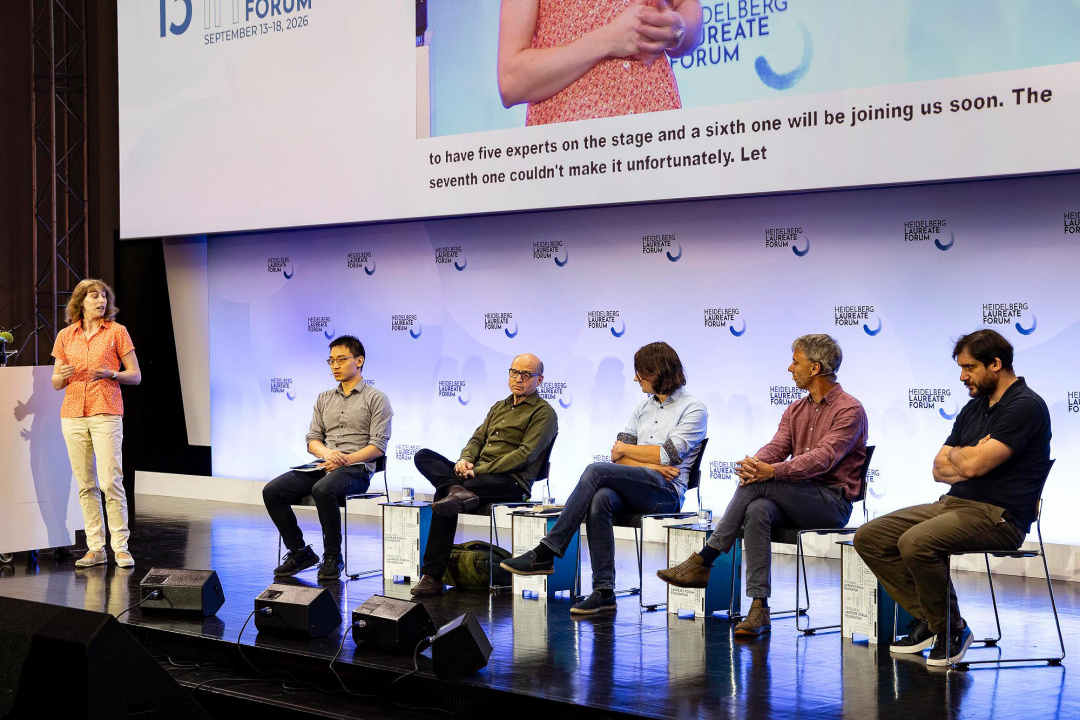
The Heidelberg Laureate Forum recently spotlighted the pervasive role of artificial intelligence (AI) in mathematics, computer science, and science at large. During the event, one laureate even felt compelled to apologize for AI's absence from their talk, reflecting the growing recognition of AI's influence. The discussions were sparked by OpenAI's claims regarding advancements in solving one of the Millennium Problems, specifically the Navier–Stokes equation, which has implications for fluid dynamics. This has led to a sense of upheaval in the mathematical community, as expressed by participants who noted that the field is undergoing significant transformations, with one senior attendee stating, "mathematics is hosed."
A notable moment in the panel discussion on "AI in Mathematical Research" occurred when panelist Michael Harris quoted science fiction writer Ted Chiang, who articulated concerns about large language models (LLMs). Chiang's critique highlighted the ethical dilemmas posed by AI, including issues of intellectual property theft, exploitation of labor, environmental degradation, misinformation, and the potential deskilling of workers. This statement served as a wake-up call, urging attendees to consider the ethical ramifications of their work with AI.
Despite the gravity of these concerns, the panel's responses were somewhat defensive. Geordie Williamson, an Australian mathematician, dismissed fears regarding AI's energy consumption, comparing the GPU beside him to a "little toaster" and suggesting that the environmental impact of flying to the forum was far greater. His comments reflected a broader trend among mathematicians, who seem unaccustomed to integrating ethical considerations into their work. Williamson's remarks, while provocative, did not invite the critical reflection one might expect from a discussion on ethics.
The subsequent responses from other panelists, including Fields medal winner Peter Scholze, echoed Williamson's sentiments. Scholze acknowledged the concerns raised by Chiang but suggested that a potential solution could involve creating an academic framework within open-source AI models. However, this proposal lacked substance, especially since Scholze does not utilize AI in his research.
Diverse Perspectives on AI's Ethical Challenges
Jacob Tsimerman, another Fields medalist, acknowledged the multitude of concerns surrounding AI but remained vague about specific ethical issues, focusing instead on existential threats posed by AI. His comments highlighted a disconnect between the pressing ethical implications of AI usage and the discussions taking place at the forum.
As the panel transitioned to audience questions, the ethical implications of AI's environmental impact were notably absent from the conversation. A survey conducted at the forum indicated that only a small percentage of attendees viewed environmental impact as a significant concern regarding AI's growth. This lack of engagement with critical ethical questions raises important issues about the responsibility of those in influential positions to address these challenges.
What Comes Next
The question of individual responsibility in the context of AI ethics is complex. While systemic issues often limit individual actions, it is crucial for professionals to recognize and reflect on their contributions to broader societal problems. The panel's reluctance to engage with these ethical challenges suggests a need for more diverse perspectives in future discussions, including voices from philosophy and environmental science.
In conclusion, the discussions at the Heidelberg Laureate Forum serve as a reminder of the importance of addressing ethical considerations in the development and application of AI technologies. A more inclusive approach that encourages open dialogue among various stakeholders could foster a deeper understanding of the ethical implications of AI in mathematics and beyond.