AI's Influence on Authorship in Architecture: Insights from Alper Turan
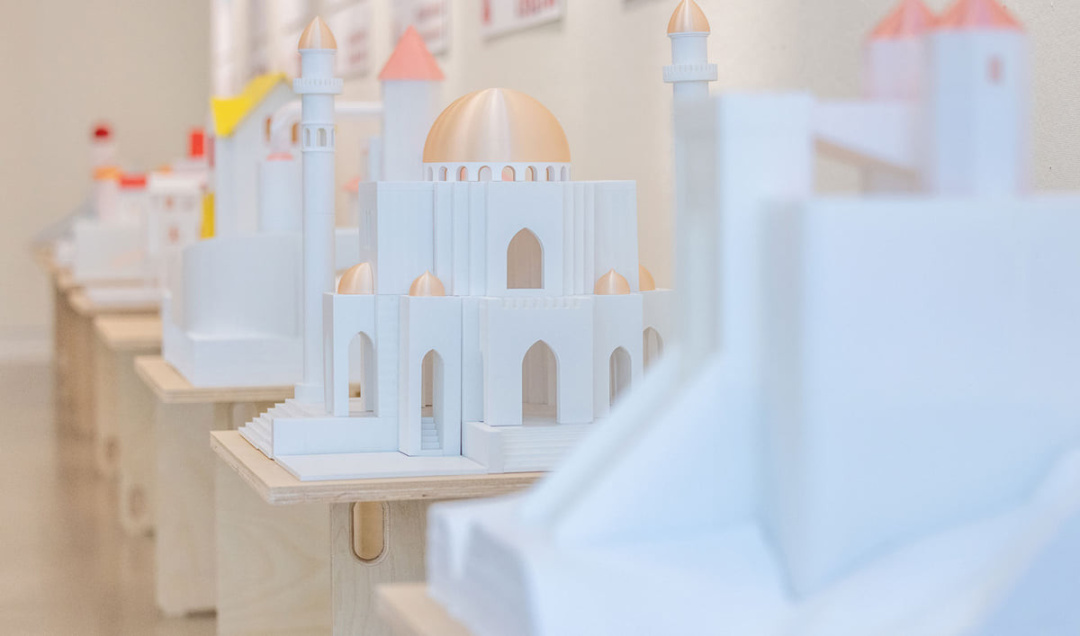
The role of artificial intelligence in architecture is increasingly significant, raising important questions about authorship and creativity. Architect and graphic designer Alper Turan, who recently completed the Architecture and Design Fellowship at Tulane University, has been at the forefront of this exploration through his project 'Artificial City.' This initiative investigates how AI can be utilized in the design process, challenging traditional notions of authorship in the age of AI-generated content.
During his fellowship, Turan engaged in research that critically examined the use of AI in creative processes. He expressed skepticism about the current applications of AI in design, particularly regarding the ease with which it can replicate styles and artistic expressions that have taken years for artists and designers to develop. Despite his reservations, Turan advocates for a nuanced approach to AI, suggesting it can be used as a tool for experimentation rather than a replacement for human creativity.
Turan's project 'Artificial City' aimed to integrate AI earlier in the design process, allowing it to inform his formal thinking rather than solely serving as a visualization tool. He sought to understand how AI could introduce unexpected forms and combinations that he might not conceive independently. This approach emphasizes the importance of interpretation and decision-making in design, asserting that true authorship lies in the careful consideration and transformation of AI-generated ideas rather than in the speed of production.
The fellowship experience also allowed Turan to reflect on his dual background in architecture and graphic design. He noted that his work often straddles both disciplines, allowing him to borrow concepts and techniques as needed. This flexibility is crucial in his studio, Post Form, where he aims to create innovative solutions that draw from both fields.
Exploring Teaching and Design Integration
Turan's teaching experience during the fellowship further enriched his understanding of the relationship between architecture and graphic design. He led a design-build seminar titled 'Fluid Monuments,' which encouraged students to explore the intersection of objects, space, and installation. Through hands-on projects, students learned the value of collaboration and the complexities of bringing an idea from conception to realization.
The Practical Implications
As Turan prepares to return to New York and focus on practice, he reflects on the rewarding nature of teaching and the connections he made during his fellowship. He emphasizes the importance of a slower, more deliberate creative process in an era dominated by instant gratification and efficiency. In doing so, he believes that architects can preserve their unique voices and contributions in a world increasingly influenced by AI.
AI's integration into architecture is not merely a technical challenge but a philosophical one, prompting designers to reconsider what it means to create in a digital age. Turan's insights highlight the need for a balanced approach that embraces AI's potential while safeguarding the essence of human creativity and authorship.