Data Fragmentation Hinders Responsible AI Integration in the Military
In the realm of military artificial intelligence (AI), the most pressing challenge is not the sensationalized fears of autonomous weapons but rather the mundane issue of communication. Key stakeholders involved in AI-military integration, including governments, private sectors, academia, and civil society, often lack a shared lexicon and coherent data. This disconnect hampers the development of responsible governance for military AI.
Despite extensive discussions held globally, the absence of common definitions and data has made it difficult to establish a unified understanding of military AI capabilities and risks. Terms like "autonomy" can have vastly different meanings depending on whether one is a military general, an engineer, a lawyer, or a human rights advocate. This divergence is further complicated by the approximately 200 countries involved, each contributing its own interpretations and incentives regarding AI integration.
The scattered nature of data related to military AI complicates efforts to track developments across nations. Information can be found in various forms, such as government contracts, legislation, and news articles, often in multiple languages. This fragmentation results in humanitarian organizations and tech executives speaking past one another, thereby stalling progress toward responsible AI-military integration.
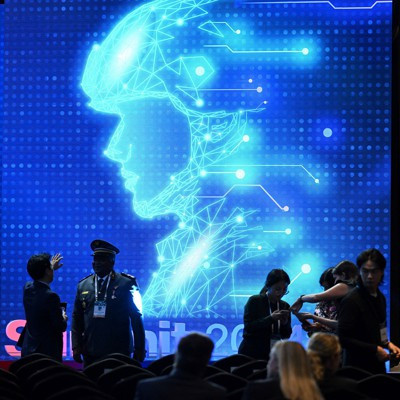
The urgency of this issue was highlighted during the Responsible AI in the Military Domain Summit (REAIM) in 2024, which called for a concerted effort to foster a common understanding of AI capabilities and limitations. The summit emphasized the need for a shared knowledge base, developed through interdisciplinary and multi-stakeholder collaboration. Additionally, the United Nations Institute for Disarmament Research has identified six priority areas for governance, underscoring the importance of a solid knowledge foundation on AI in military contexts.
One initiative addressing the data fragmentation issue is the AI-Military Integration Database (AIMID), which conducts daily scans for information on military AI across over 20 languages. This database aims to create a structured knowledge graph that maps actors, technologies, and events in the military AI landscape. By providing a comprehensive view of global AI-military integration, AIMID seeks to facilitate better communication and collaboration among stakeholders.
Enhancing Collaboration Through Data Resources
The database not only aids in pooling knowledge for testing and validation but also has the potential to alleviate tensions among global rivals by offering empirical reference points. This could help ensure that security policies are based on evidence rather than ambiguity, a crucial step for responsible AI development in military contexts.
Defense leaders must recognize the critical role of data in understanding and navigating the complexities of military AI. While AIMID and similar initiatives cannot fully resolve the data fragmentation issue, they represent valuable resources for fostering informed dialogue and collaboration. As military AI continues to evolve, establishing a common lexicon and data-sharing practices will be essential for responsible integration.
Why It Matters
The integration of AI in military operations is not merely a technical challenge but a communication one. By prioritizing the establishment of a shared lexicon and coherent data practices, stakeholders can enhance collaboration and governance in military AI. This effort will be vital for ensuring that the benefits of AI are realized while mitigating associated risks.
The implications of effective AI integration in military contexts extend beyond operational efficiency; they touch on ethical considerations and international security. As nations grapple with the complexities of AI technology, fostering a common understanding and data-sharing framework will be crucial for responsible governance and collaboration in the military domain.