AI-Driven Film Production for Ege Carpets by FRAME and Gensler
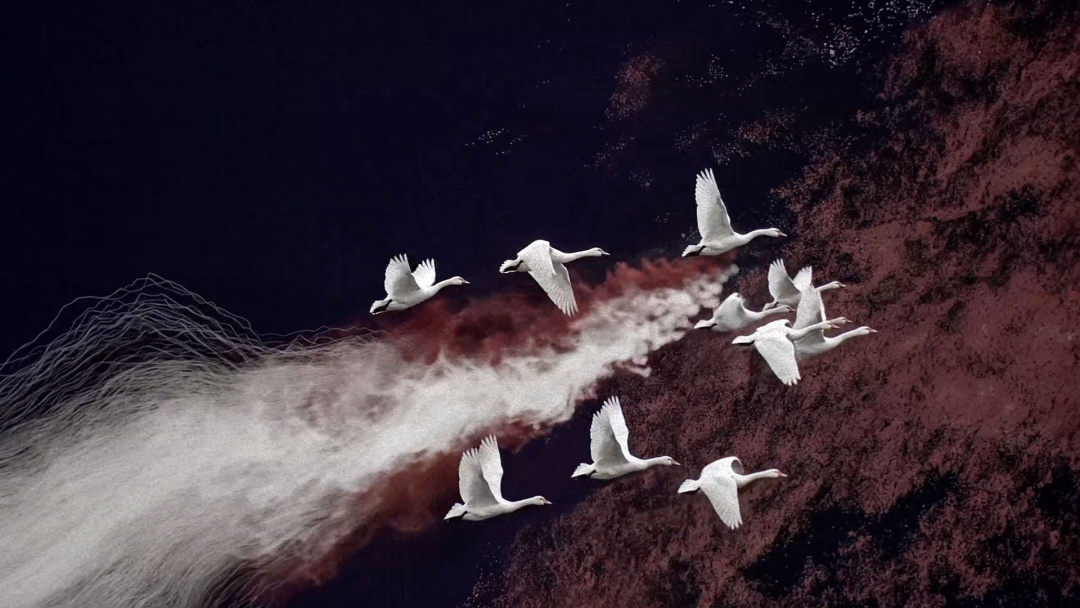
Anders Schroder, co-founder of FRAME, provides insight into the studio's innovative approach to using artificial intelligence in the production of a film for Ege Carpets, in collaboration with Gensler. The film is designed to showcase the Our Planet carpet series, which is inspired by natural patterns and man-made landscapes, including topography and bird migration routes. Ege sought a film that conveyed this narrative in a non-literal manner.
The production process involved a variety of AI tools, including Nano Banana, Flux, Midjourney, Kling, and Seedance. What sets FRAME apart is its unique production pipeline, where multiple AI models and processes are integrated to create the final visuals. This method allows for a more dynamic workflow compared to traditional 3D animation, where initial stages often lack visual clarity.
Schroder emphasizes that the visibility offered by AI is a significant advantage. In traditional 3D production, clients often have to wait until late in the process to see results, which can be challenging. However, with AI, clients can view early iterations, making it easier to lock in art direction and generate additional content in a similar style. This early engagement fosters client confidence and collaboration.
"Unless you do everything yourself, you always give up some control when you work with a team. With AI, you give up a little, but you gain innovative angles and ideas that you might not have conceived independently," Schroder explains. He acknowledges the challenges of steering AI, noting that while they maintain control over about 95% of the outcome, the remaining 5% is left to chance, often leading to unexpected yet inspiring results.
The Creative Dynamics of AI Collaboration
The unpredictability of AI can be likened to working with a creative team, where the outcome can vary based on individual interpretations. This element of surprise can lead to results that exceed expectations or require revisions. Ultimately, the collaborative nature of AI allows for a synthesis of human and machine creativity, enriching the final product.
As the industry continues to evolve, the integration of AI in film production presents both opportunities and challenges. The ability to harness AI's capabilities while maintaining artistic direction is crucial for studios like FRAME. The balance between control and creative exploration will define the future of AI-driven content creation in the entertainment sector.
Why This Matters for AI in Entertainment
As FRAME pushes the boundaries of AI in film, the studio exemplifies how technology can enhance creative processes. The collaboration between human designers and AI tools not only streamlines production but also opens new avenues for storytelling and artistic expression. The implications of this synergy extend beyond carpet films, potentially influencing various facets of media and entertainment.
The exploration of AI's role in creative industries like film production is vital as it highlights the transformative potential of technology. By embracing AI, studios can innovate and adapt to changing audience expectations, ultimately reshaping the landscape of entertainment. As the dialogue around AI continues, understanding its capabilities and limitations will be essential for creators aiming to leverage this powerful tool effectively.